Organizations often begin transformation with a new logo, language or campaign. These create attention but rarely change the behaviour that determines performance.
Real transformation begins when people make different decisions without waiting for instructions.
Motivation is part of the system
Employees resist when change removes control, ignores expertise or lacks credible purpose.
Three conditions make transformation durable. Autonomy gives people influence over how goals are achieved. Mastery builds the capabilities the future requires. Purpose connects daily decisions to an outcome larger than the next reporting cycle.
Without them, employees learn new vocabulary while protecting old routines.
The organization teaches the truth
Every company has two strategies: the one presented by leadership and the one encoded in incentives, budgets and permissions.
Reward individual performance and silos remain rational. Encourage experimentation while punishing mistakes and nobody takes risks. Declare relevance while prioritising quarterly volume and teams optimise volume.
People follow the system because the system determines consequences.
Replace theatre with capability
Campaigns create moments. Capabilities create repeated results.
Transformation requires shared direction, clear decisions, useful data, rapid feedback and teams able to act across functions. Identity, customer experience, technology and performance must reinforce the same idea.
The question is whether the organization enables employees to perform the transformation.
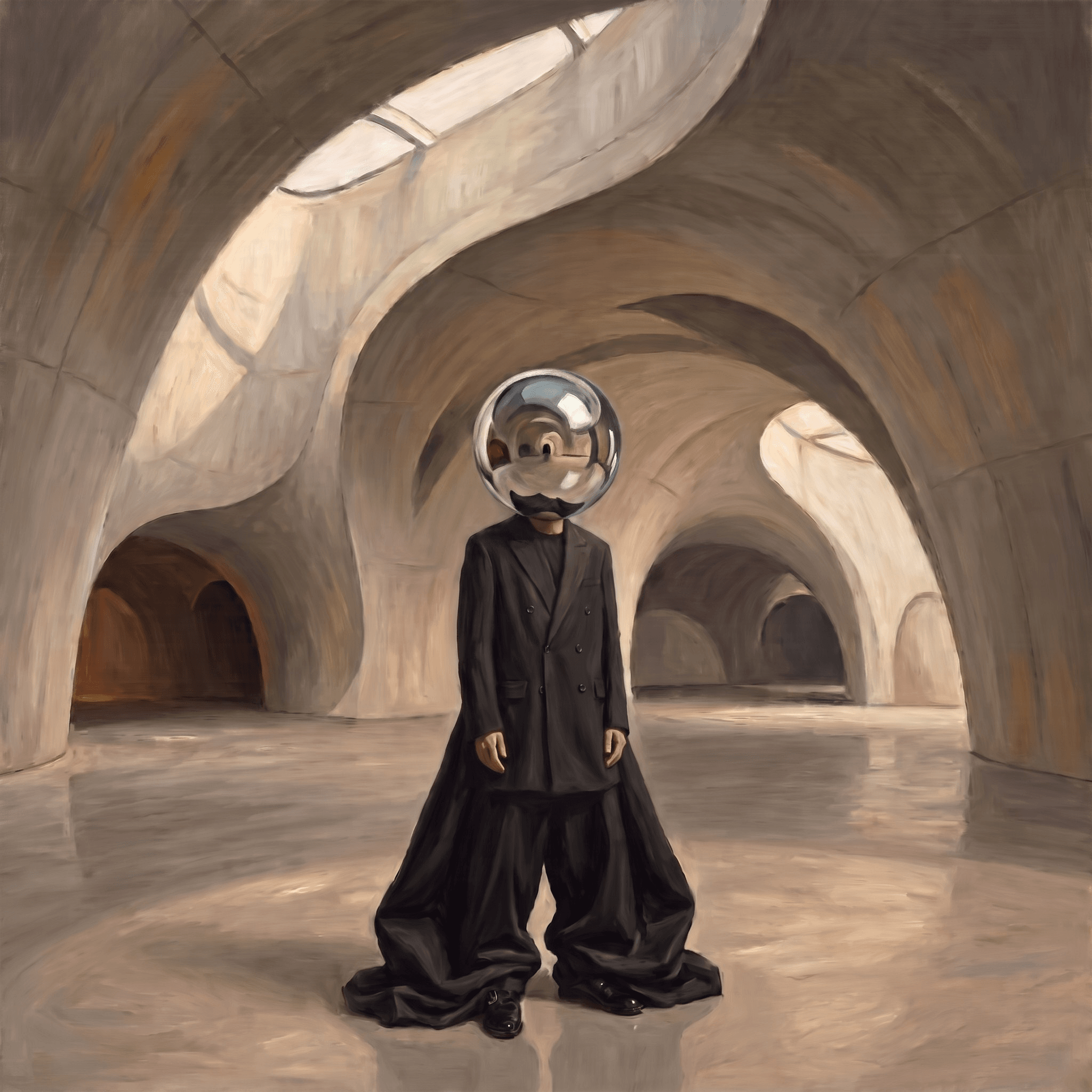
The mask eventually falls
A new identity can conceal an old operating model briefly. Customers eventually experience the contradiction. Employees experience it immediately.
Leadership must close the distance between appearance and reality.
Transformation succeeds when people gain the freedom, competence and reason to create the future themselves.
A campaign tells the market that the company has changed. An operating system makes the statement true.